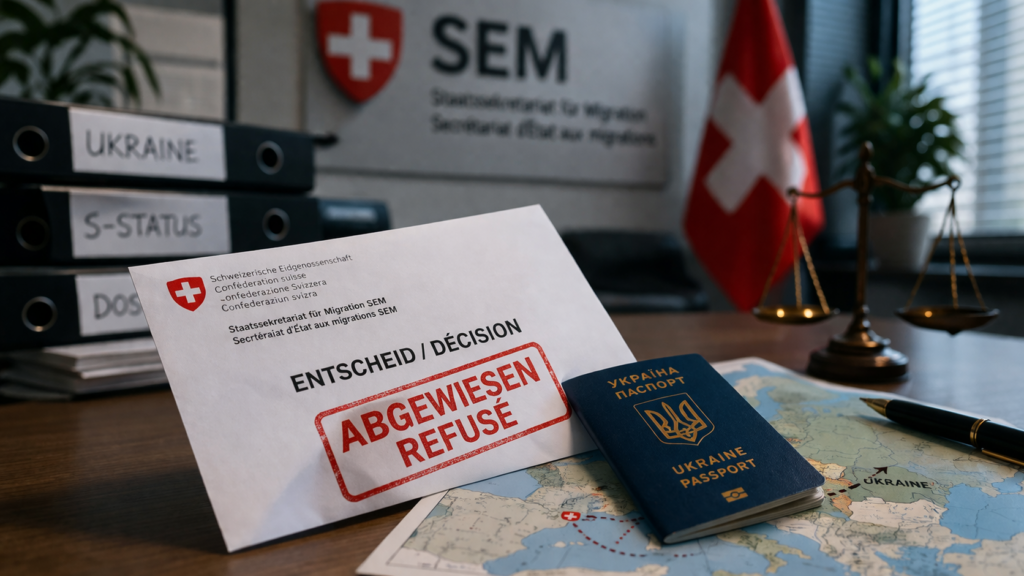
Deportation to Russia is not only an immigration issue. In many cases, it may raise serious questions under Article 3 of the European Convention on Human Rights, the principle of non-refoulement and the requirement of individual risk assessment.
Article 3 ECHR prohibits torture and inhuman or degrading treatment or punishment. In deportation, removal and extradition cases, this protection may become decisive where there are substantial grounds to believe that a person would face a real risk of prohibited treatment after return.
The European Court of Human Rights treats Article 3 as a core safeguard in cases involving transfer to another state where a real risk of torture, inhuman or degrading treatment may exist.
Article 3 ECHR and Deportation Risk
The central legal question is not whether Russia is unsafe for every person.
The real question is different:
Would this specific person face a real individual risk after return?
That risk may arise from political opinion, perceived political opinion, anti-war activity, ethnic or regional background, past persecution, criminal proceedings, military service issues, forced mobilization, Interpol-related exposure or family links.
This is especially relevant in cases involving Russia, Chechen applicants, Russian draft evaders, anti-war positions and persons exposed to state pressure or politically motivated accusations.
Non-Refoulement
Non-refoulement means that a person must not be returned to a country where they may face torture, cruel, inhuman or degrading treatment, persecution or other serious harm.
UNHCR describes non-refoulement as a core protection principle and emphasizes that asylum seekers must be protected against return before their status and risk are properly examined.
In practice, this means that a passport is not enough to decide a case. Russian nationality alone does not answer the legal question.
The decisive issue is the individual risk profile.
Individual Risk Assessment
A serious deportation case requires a detailed individual assessment.
Relevant factors may include:
- political opinion or perceived political opinion;
- public anti-war position;
- risk of forced mobilization;
- refusal of military service;
- Chechen or North Caucasus background;
- previous detention, threats or interrogation;
- politically motivated criminal proceedings;
- Interpol Red Notice or wanted notice exposure;
- medical vulnerability;
- family and public profile.
EUAA country information on the Russian Federation addresses military service, conscription, reserve obligations, mobilization-related issues and penalties for desertion as relevant elements in protection analysis.
Chechen Applicants and Deportation to Russia
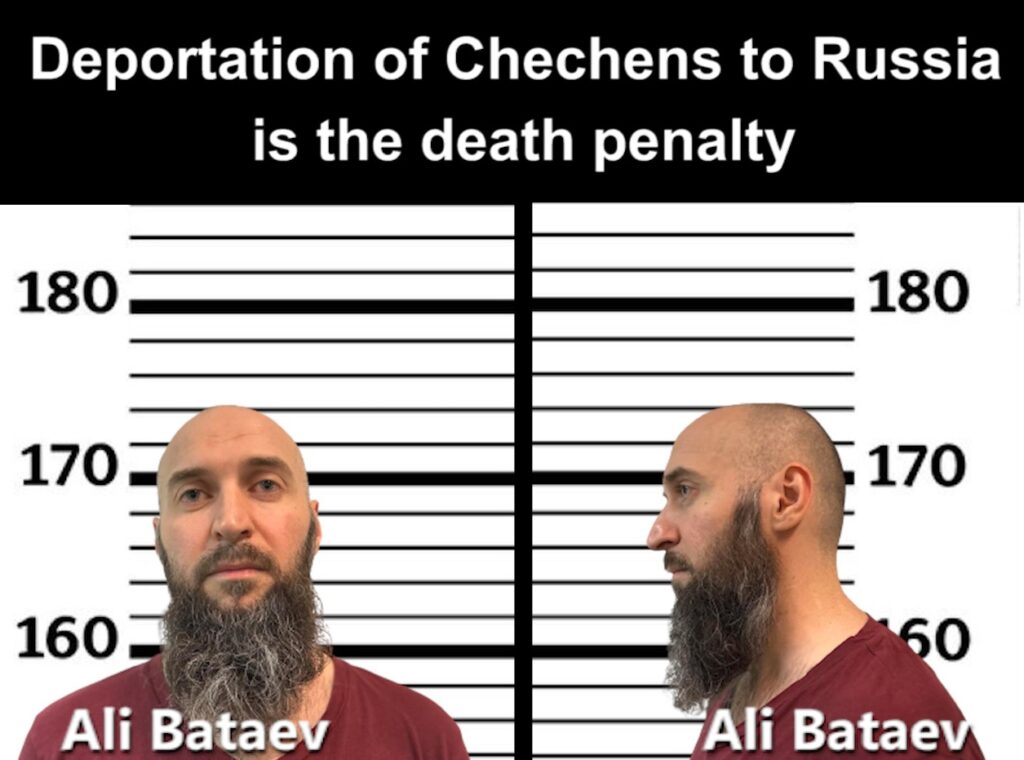
Chechen applicants may require a separate and particularly careful risk assessment.
The risk may be connected with regional origin, ethnicity, family links, political opinion, perceived disloyalty, previous conflict-related history or exposure to security structures.
This issue is analyzed separately in LLCA’s article on Deportation to Russia: Chechen Applicants.
Forced Mobilization and Russian Draft Evaders
Refusal of mobilization does not automatically mean asylum.
However, forced mobilization, punishment for refusal, anti-war position or risk of involvement in unlawful military actions may become relevant in protection cases.
LLCA has analyzed this issue separately in Forced Mobilization, Russian Draft Evaders and Asylum Protection in Europe.
Interpol, Extradition and Political Persecution
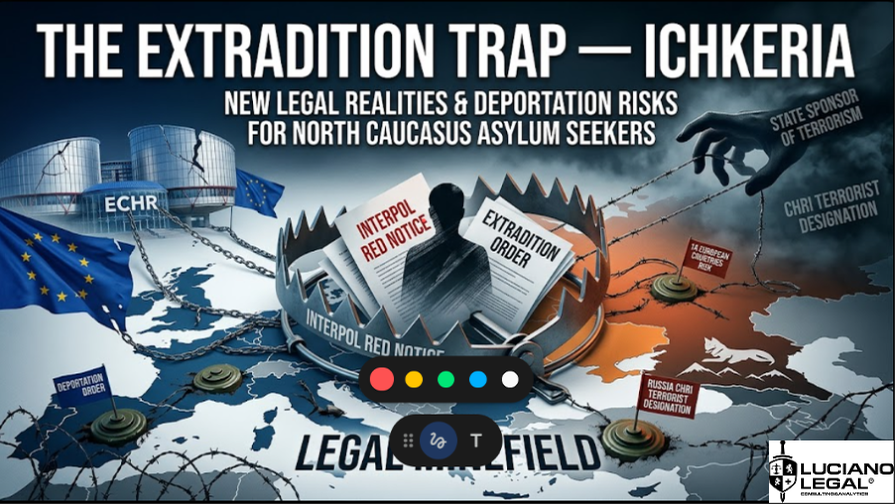
Some Russia-related cases may involve criminal accusations, international wanted notices, extradition requests or Interpol-related exposure.
In such cases, deportation, extradition and asylum issues may overlap. A person may face not only return, but also detention, prosecution, pressure from security services or politically motivated criminal proceedings after return.
For broader strategic support, see LLCA’s page on Asylum, Deportation and Extradition Legal Support in Switzerland.

Legal and Strategic Support
Cases involving Article 3 ECHR and deportation to Russia require disciplined preparation.
The strongest cases are usually built through:
- documents;
- chronology;
- country information;
- medical evidence;
- proof of threats or persecution;
- legal argumentation;
- a clear individual risk profile.
LLCA — Luciano Legal Consulting & Analytics, based in Bern, Switzerland, provides strategic legal and analytical support in complex international cases involving deportation risk, asylum protection, extradition, Interpol-related exposure, non-refoulement and cross-border legal-risk analysis.
Conclusion
Article 3 ECHR is one of the key safeguards in deportation and removal cases.
In cases concerning Russia, the decisive issue is not only the general political situation. The decisive issue is the individual risk of the specific person.
The central question is simple:
Would this person face a real risk of torture, inhuman or degrading treatment, persecution or serious harm after return?
If the answer may be yes, deportation to Russia requires careful legal challenge, evidence-based preparation and strategic case analysis.
Everything may be relative. But law and justice — Never!
LLCA — Luciano Legal Consulting & Analytics
Postfach 3001
Bern, Switzerland
Website: https://llca.ch
Email: info@llca.ch
Article 3 ECHR | Deportation to Russia | Non-Refoulement | Individual Risk Assessment | Chechen Applicants | Forced Mobilization | Interpol | Extradition | Asylum and Deportation Legal Support in Switzerland